Invasive aquatic weed removal

Controlling Invasive Aquatic Species.

Aquaclear has over 15 years of experience cutting, removing, and controlling invasive aquatic species across the UK. Our approach is tailored to the species and site, with particular care taken to minimise fragmentation and the risk of spreading the infestation.


Dense invasive aquatic vegetation

Problems Caused by Invasive Aquatic Plants

Once established, invasive aquatic plants can grow rapidly and alter the balance of an entire watercourse.

  • Outcompete native plant species
  • Reduce oxygen levels and harm aquatic life
  • Clog waterways, inlets, and outlets
  • Disrupt boating and fishing
  • Create hazards for swimmers and divers

Our Approach

Invasive Weed Removal Methods

Invasive species require careful handling because cutting or disturbing the wrong plant in the wrong way can encourage further spread. We adapt our methods to the species, site, and extent of the infestation.

Cutting & Clearing

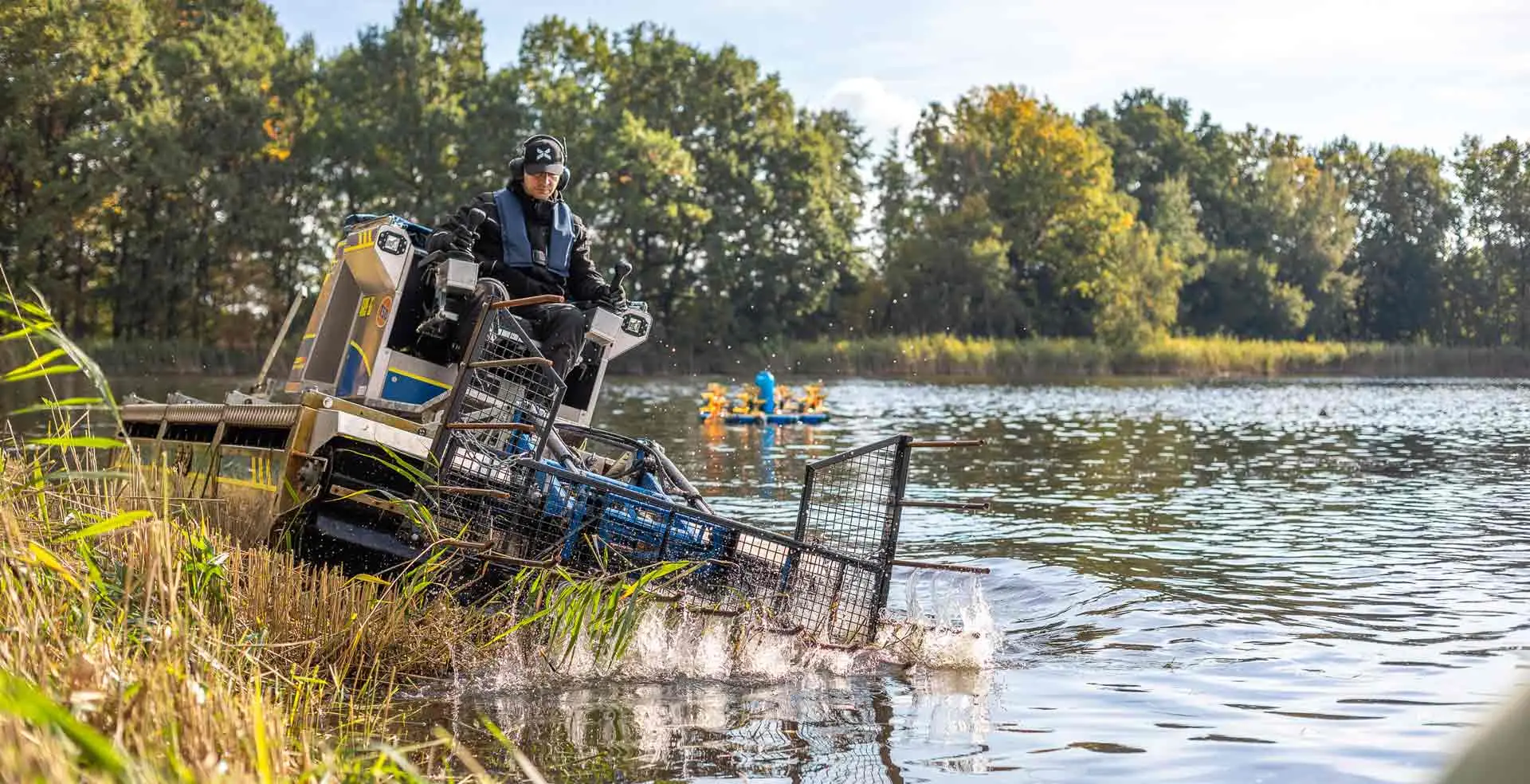
We cut invasive vegetation as deeply as practical and remove as much plant material as possible from the water. This helps restore open water while reducing the amount of material left behind to fragment and re-establish. Cut material is collected and, where appropriate, left temporarily on the bank to allow invertebrates to return to the water before the vegetation is removed from site.
Mechanical cutting and removal of invasive aquatic weeds

Preventing Spread

Particular care is taken to minimise fragmentation during removal, as small pieces of some invasive plants can survive and establish new growth elsewhere. We remove as much cut material as possible from the watercourse and plan the handling and disposal of vegetation to reduce the risk of further spread and re-establishment.
Mechanical cutting and removal of invasive aquatic weeds

Machinery Hygiene

Our machinery is cleaned and inspected after working with invasive species to remove plant fragments and reduce the risk of transferring invasive material between waterways. Careful cleaning between sites is an important part of working responsibly with invasive aquatic vegetation and helps prevent cross-contamination.
Mechanical cutting and removal of invasive aquatic weeds

Ongoing Control

Invasive aquatic species often require continued management rather than a single clearance operation. We can recommend practical ways for clients to monitor and manage regrowth after the initial work has been completed. The timing and frequency of follow-up work will depend on the species, extent of the infestation, and conditions at the site.
Mechanical cutting and removal of invasive aquatic weeds

Species Specific

Different Species Require Different Approaches

We adapt our removal methods to the characteristics and growth habits of each invasive species.

Elodea Family

These submerged weeds can form dense growth throughout the warmer months. Cutting and clearing can be used to reopen the watercourse, with the timing and frequency of works considered according to the site and growth pattern. Cutting earlier in the season can help reduce growth during the warmer months, although a second cut may be required where vegetation becomes excessive again later in the season.
Canadian pond weed and other Elodea species
Floating pennywort can spread rapidly from banks and margins, forming dense floating mats across the surface of the water. The plant can be cut away from the banks and collected using weed rakes before being moved onto nearby banks. After allowing time for invertebrates to return to the watercourse, the removed material can be taken away from the site to reduce the risk of recontamination.
Floating pennywort growing along a watercourse
Crassula grows throughout the year in the damp margins of watercourses and can spread further when its short stems are cut and fragmented. Where appropriate, grab buckets can be used to carefully peel layers of the plant from the affected area rather than relying on simple cutting, allowing the material to be removed for processing.
Crassula or New Zealand pygmyweed growing along a watercourse
Water fern is less common in the UK but can become problematic once established. It can be peeled from affected areas using grab buckets or cut into larger mats that can then be collected and moved onto the bank for processing.
Water fern or fairy fern on a watercourse

Not Sure What You're Dealing With?

Identify the Aquatic Weed
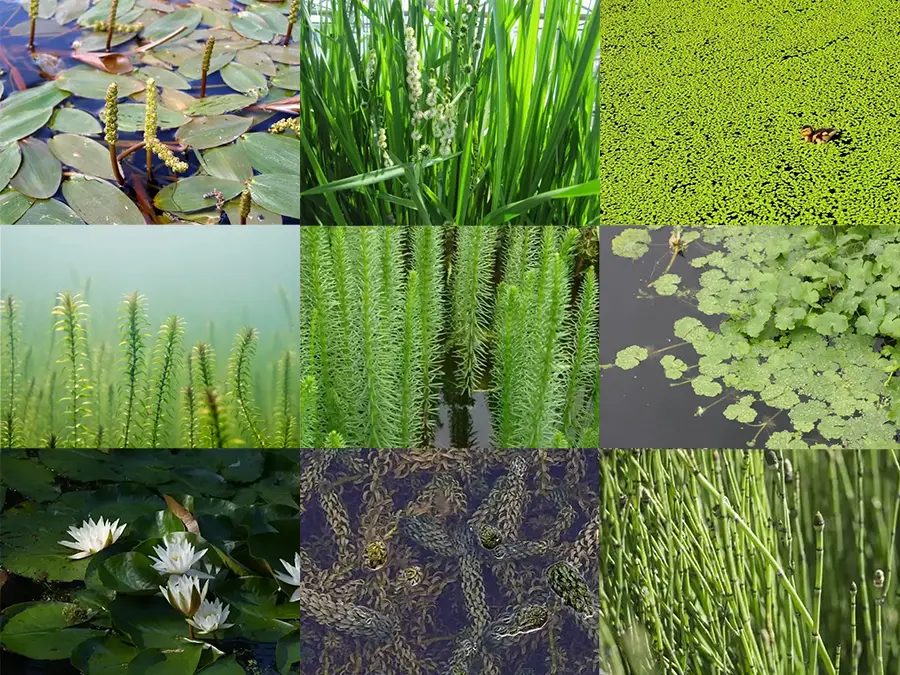
Not sure which invasive aquatic plant is affecting your watercourse? Our Weed Identification Guide covers a range of common aquatic and marginal plants, helping you identify what you are dealing with and understand the appropriate approach to management. If you are still unsure, contact us and we can discuss the problem and advise on the most appropriate approach.
Aquatic weed identification guide

Related Services

Other Aquatic Weed Control

We provide specialist cutting and removal services for a range of aquatic and marginal weed species.
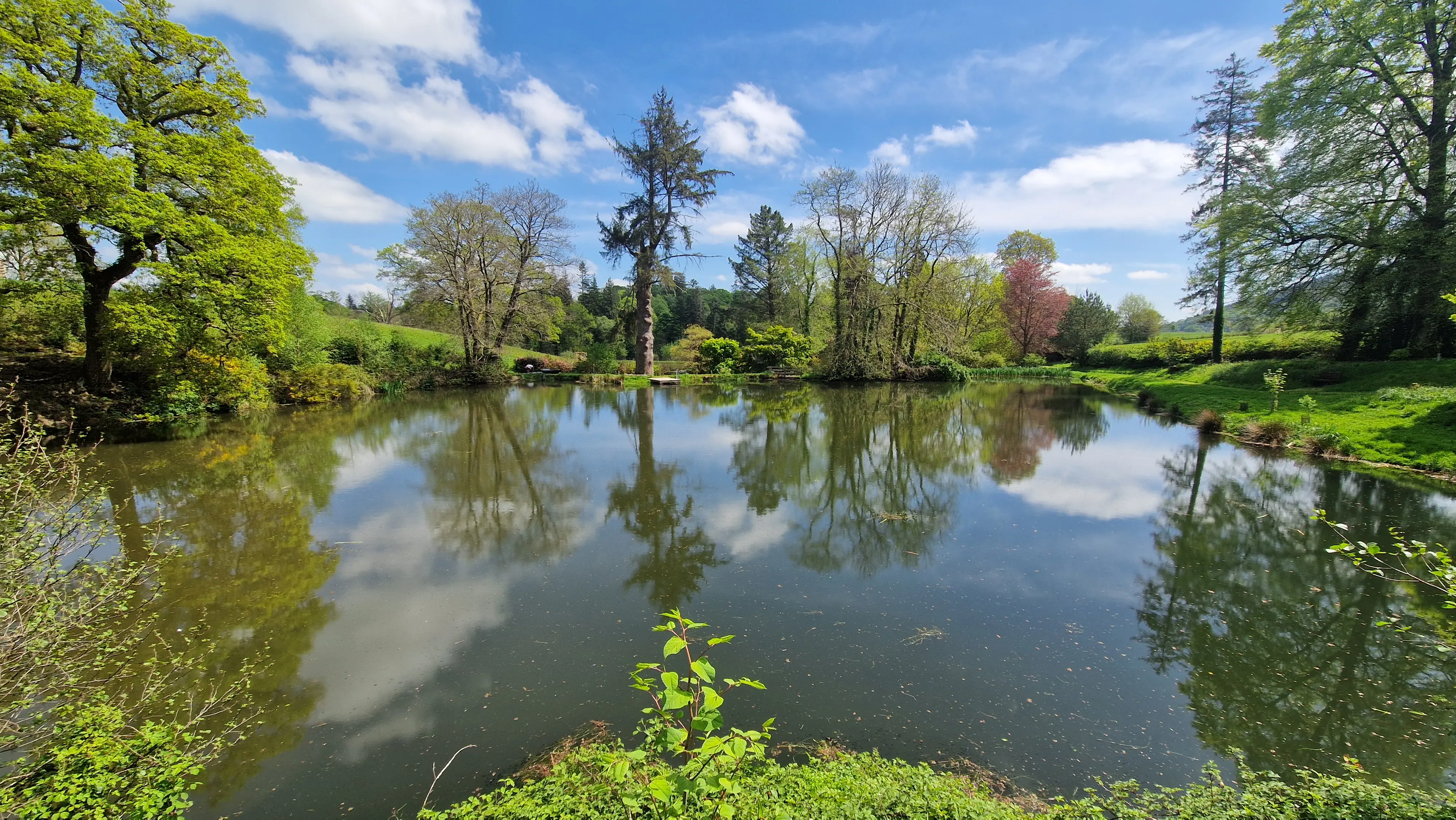
Aquatic Weed Cutting
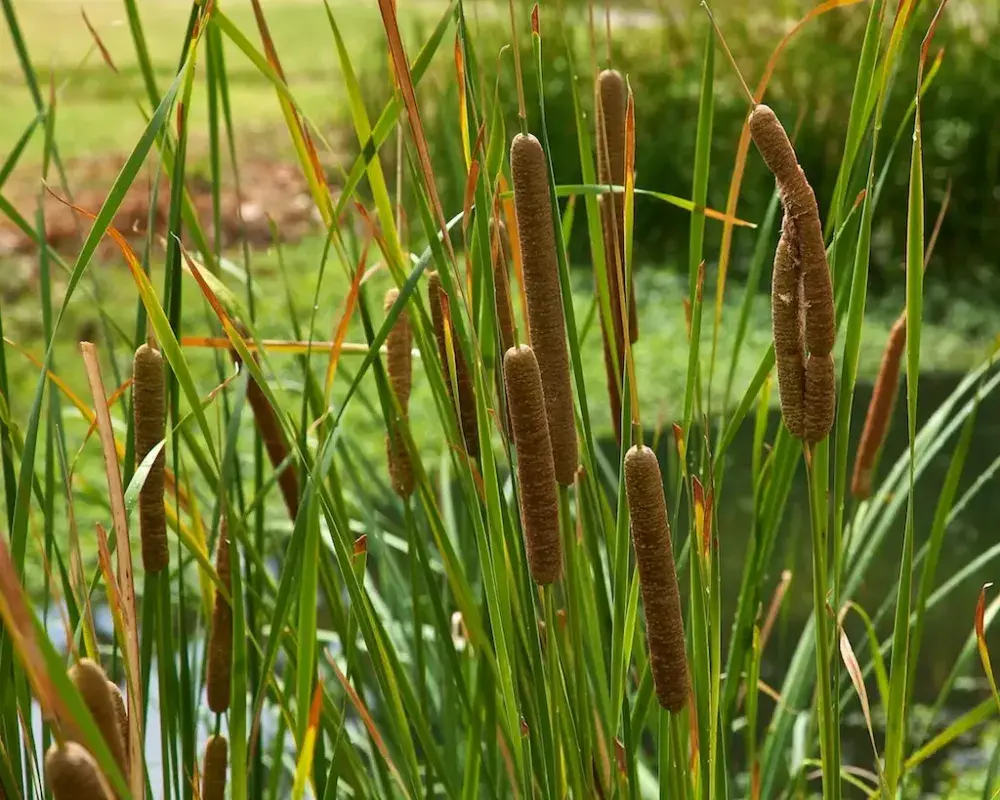
Aquatic Weed Cutting

Explore our full range of aquatic weed cutting, removal, and control services.
Bulrush & Bur-reed Removal

Bulrush & Bur-reed Removal

Specialist cutting and removal of excessive bulrush and bur-reed growth from watercourses.
Learn More
Algae & Blanket Weed

Algae & Blanket Weed

Control and removal of excessive algae and blanket weed growth from ponds, lakes, and other waterways.
Learn More
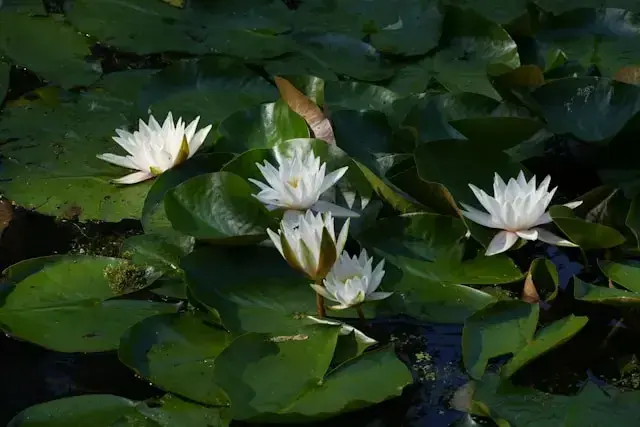
Water Lily Management

Water Lily Management

Manage excessive water lily growth through targeted cutting and, where appropriate, root and rhizome removal.

Need Help With an Invasive Species?

Take Control of Your Waterway

If you are dealing with an invasive aquatic plant, we can assess the site and recommend an appropriate method of control and removal.